
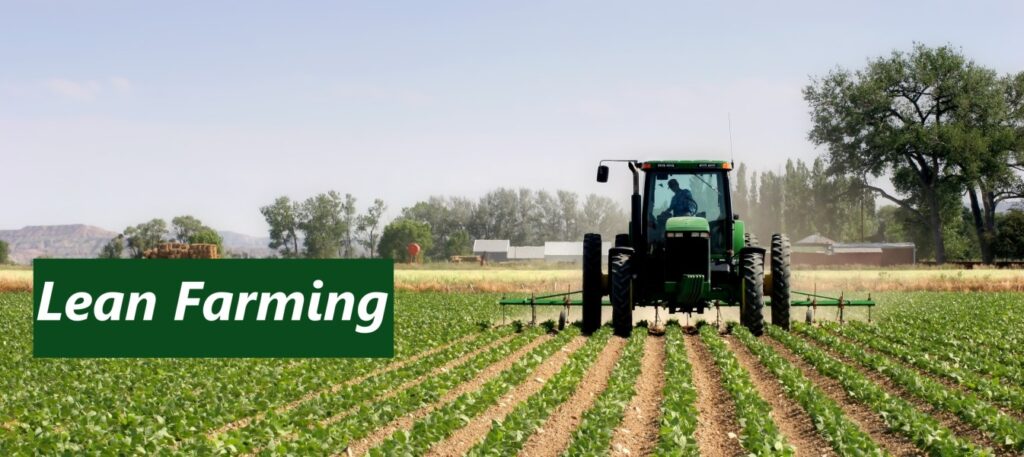
Lean Farming has the power to increase the profitability of a farm by continuously improving farming operations to be more efficient and effective, focusing relentlessly on eliminating all aspects of the farming process that adds no value.
It is a system of tools, methods, and practices used to manage farms based on the Lean methodology. The principles of Continuous Improvement lie at the heart of Lean. The result is Operational Excellence.
“Lean essentially helps us to convert our inputs as efficiently and effectively as possible through streamlined value-added processes into our ideal outputs.” – Jana Hocken: The Lean Dairy Farm
Background
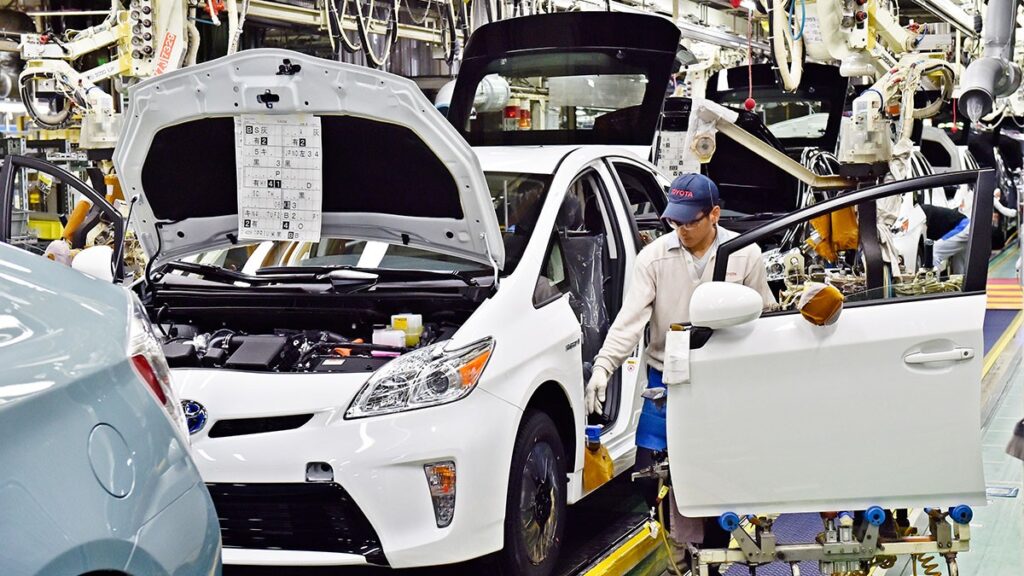
Lean [production] has its origin in Japan, where it is known as the “Toyota Production System” and it is the same system that has enabled Toyota to dominate the vehicle market for almost 50 years. One of the foundational principles that Toyota lives by is to “keep reducing costs”, and they do this by applying the principle of – kaizen – continuous improvement.
So what is the connection between a farm and a factory you might ask, …
“Farms and factories are very different places, but in the end, our task is the same: to deliver a high-quality product to customers who value what we make or produce. Imagine running a factory without a roof and you have a picture of the vulnerable and dynamic nature of a farmers work.” – Ben Hartman: The Lean Farm
How is Lean applied to farming?
A farm runs on processes. There are dozens, sometimes hundreds of processes. Processes that repeat every year, every month, every week, or every day.
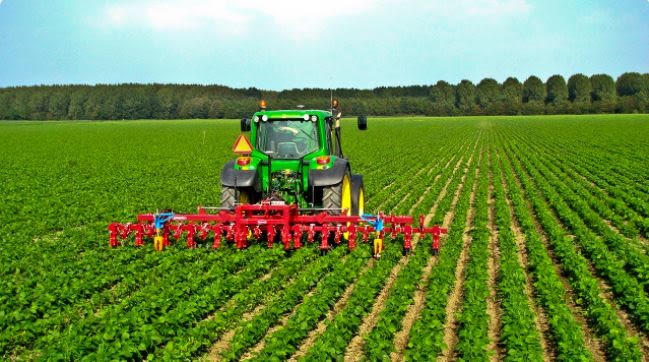
“milking, seeding, harvesting, ploughing, feeding, shearing, fertilizing, dipping, digging, spraying and many more”
Lean helps you to design (or re-design) your processes. It helps you to optimize processes by identifying and eliminating all waste (non-value-added steps) from the process. This includes long-running and “we’ve always done it that way” processes.
Thinking Lean helps you to continuously improve your processes so that you get better every day. Optimized processes equal less input (physical or human input costs) and therefore increased profits.
“physical inputs like land, soil, water, drainage, etc. and human inputs like labor, capital, transport, buildings, machinery, fertilizer, animal feeds, skills, knowledge, etc.”
Lean identified wastes.
Lean thinking has identified 8 wastes (cost savings opportunities) that are found in most farm processes.
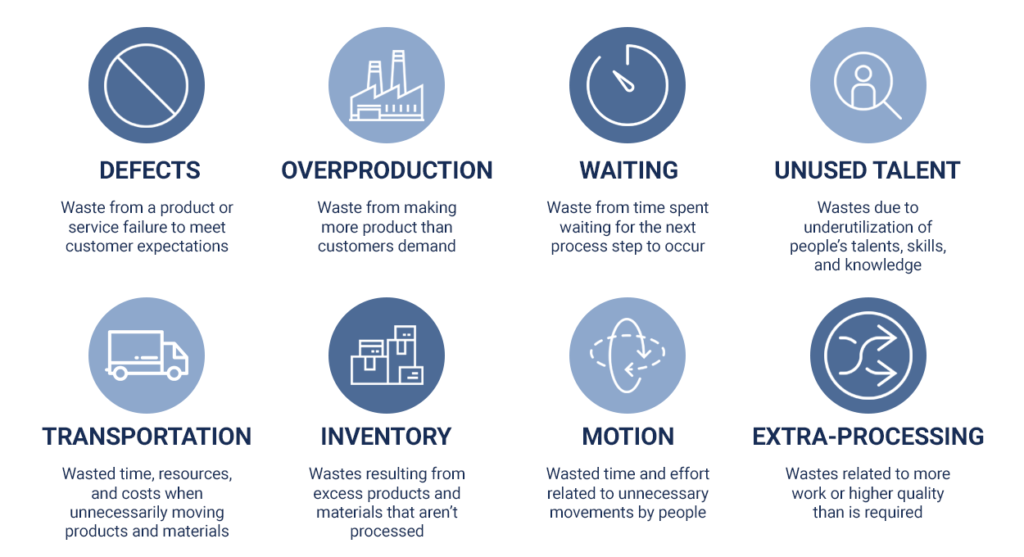
Identifying and eliminating these wastes in your farming processes will immediately result in more efficiency and effectiveness. As a farming operation improves its processes, it should reallocate productive resources to new value-creating work.
Lean Farming tools (some of them).
Lean farmers use data for all their decision making. Lean tools can help you improve processes on the farm almost immediately.
- Value Stream Mapping – VSM is a method that enables you to identify all value-adding as well as non-value-adding steps in a process so that you can eliminate/reduce the non-value adding steps.
- 5S – Any successful farmer believes in order and discipline on his/her farm. The 5S methodology (sort, set in order, shine, standardize, and sustain) enables the Lean farmer to create a disciplined and ordered environment that helps save time and money.
- Standardization – Standardization is key to the success of a Lean farm. A standardized workplace creates predictability and helps to prevent many mistakes and avoidable problems.
- Visual Management – Seeing is believing & understanding. Lean farmers use tools that enable them to have visibility of their processes as well as transparency into the success or failure thereof.
- Collaboration – The people on the farm that does the work usually knows best how a process can be improved. Lean Farming relies on all farmworkers to contribute to the improvement processes.
Conclusion.
Lean Farming is not about reckless cost-cutting. It is not about teaching a farmer how to farm. Lean Farming is a process that will enable a farmer to increase the profitability of the farm by relentlessly reducing process-driven input costs while maintaining excellent quality.